

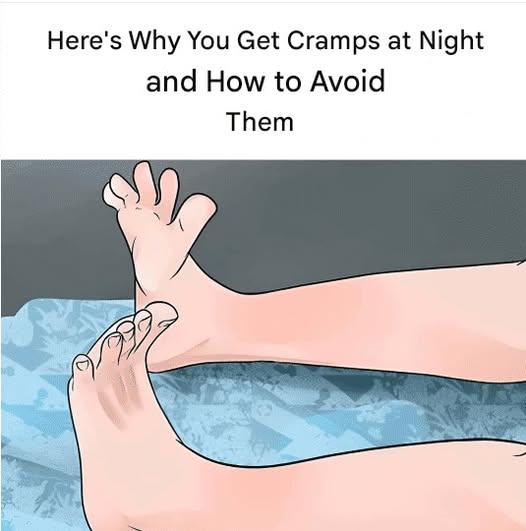
Prevention and care to reduce nocturnal leg cramp occurrence
- Try stretching frequently. For instance, you can stretch your calves by facing a wall, stepping one foot back behind you while the other is placed out in front. Then, bend slightly forwards onto the front foot and keep both feet flat on the ground as you hold the position for 5–10 seconds on each side. Do this 10 times for one set and attempt to do 3 sets of these stretches per day for the best results.
- Be sure to stretch properly before playing sports or exercising.
- Stay hydrated throughout the day, drinking between 8–10 glasses of water and avoiding dehydration, especially when exercising.
- Perform regular calf raises to ensure effective circulation and to prevent the muscles from cramping.
- Always bathe or shower in warm water.
- Avoid drinking alcohol.
- Reduce your intake of caffeine from drinks containing the substance, such as hot chocolate and coffee.
- Pregnant women should make sure they have a diet plentiful in calcium (yogurt, cheese, soy milk), potassium (cocoa, prunes, sunflower seeds), and magnesium (bananas, green peas, spinach, sweetcorn, pumpkin seeds, and sesame seeds).
While the true causes of nocturnal leg cramps remain unknown, there are several symptoms that can signal an increased risk of occurrence, such as diabetes, kidney disease, and peripheral artery disease. For this reason, should you experience frequent nocturnal leg cramps, it is best to seek medical attention, so that a doctor can perform a diagnosis and advise you on the most effective forms of treatment in a timely manner.