
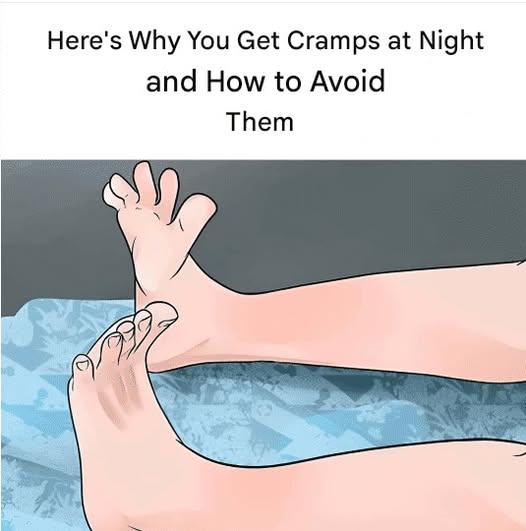
Nocturnal leg cramps may be associated with the following conditions and medication:
- Pregnancy
- Thyroid disorders
- Nervous system disorders, such as Parkinson’s disease
- Central nervous system disorders, such as peripheral neuropathy or motor neuron disease
- Metabolic conditions, such as diabetes
- Coronary artery disorders, such as heart disease or peripheral vascular disease
- Physical disorders, such as flat footedness or spinal stenosis
- Drugs used to treat certain conditions, such as statins, cholesterol reduction medication, COPD drugs, diuretics, and blood pressure medication
When should patients seek medical attention?
Those who suffer from repeated nocturnal leg cramps that disrupt sleep and do not improve with self-care, thus leading to symptoms including redness, skin changes, or severe muscle weakness, are advised to seek medical attention. This will enable a doctor to perform a diagnosis that can rule out other disorders to ensure they provide the appropriate treatment. Such a diagnosis will involve reviewing the patient’s medical history and prior medication use, conducting a detailed physical examination, and taking a blood test where hematological issues are suspected.
Doctors will consider pain relief drugs to treat nocturnal leg cramps, including oral muscle relaxants and paracetamol or ibuprofen-based drugs. They may also look to magnesium supplements for adults and pregnant women as there is evidence to suggest this substance can be beneficial to the health of these groups. However, quinine is not recommended as a suitable form of treatment for nocturnal leg cramps as its drawbacks outweigh its potential benefits.
Treating nocturnal leg cramps and relieving the associated pain
- Rest the affected muscle immediately.
- Attempt to stretch the affected muscle slowly and gently as doing so can help to reduce the muscular tension, thus alleviating the cramp. Should the cramp occur in the calf muscle, sit up and stretch the leg out in front of you. Then, slowly flex your feet, hold for 10–15 seconds, release, and repeat 5 –10 times.
- Gently massage the affected muscle to help relax the muscle.
- A cold compress can be used to massage the affected muscle and relieve the pain.
- Should the pain continue despite the cramp subsiding, some pain relief drugs such as paracetamol and muscle relaxants may be taken.