
HIGHLIGHTS:
- The true causes of nocturnal leg cramps remain unknown, but studies have found that they may be associated with structural disorders, neurological disorders and peripheral artery disease.
- Those suffering with nocturnal leg cramps should try to stretch and massage the affected muscle softly. A cold compression massage has also been found to be effective. Should the pain associated with cramping continue, pain relief medication may be taken, and pain relief cream applied to the affected area to alleviate the discomfort.
- Those suffering from common nocturnal leg cramps that disrupt sleep should consult a specialist, who can perform a diagnosis and advise on the necessary steps required to treat the condition effectively.
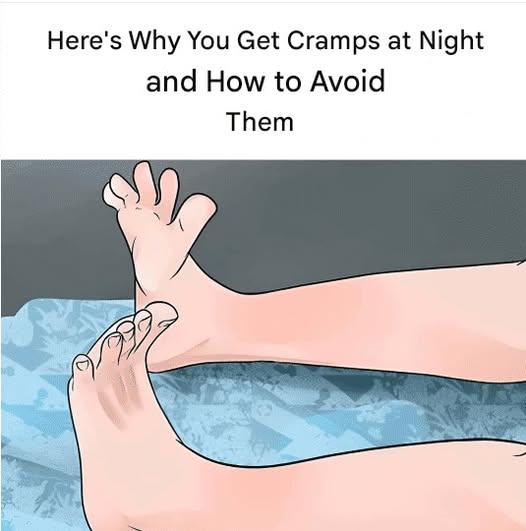
There are bound to be many of you out there who have experienced nocturnal muscle cramps. This means you will understand just how painful they can be, often causing the sufferer to wake suddenly due to the severe discomfort. Have you ever wondered why these occur and what is causing them? And what treatment and prevention options are available for this strange and usually unexplainable occurrence?
What are muscle cramps?
Muscle cramps refer to the phenomenon of a muscle contracting acutely and being unable to relax again as usual. The muscles affected can often feel hard to the touch, and can cause severe pain and discomfort to the person experiencing them. Generally, cramping occurs in the calves, hamstrings, and groins. When they occur at night, these types of cramps are referred to as nocturnal leg cramps, and they tend to affect those of middle to old age as well as pregnant women more than other groups.
Suspected causes of nocturnal leg cramps
The true causes of nocturnal leg cramps are not yet fully understood, but there is evidence to suggest that the causes are more likely associated with muscular fatigue, flexibility, irregular central nervous system function, or inhibited circulation rather than the common misconception that a lack of minerals or other factors play a part. Indeed, there are a number of factors that are believed to impact cramp occurrence, as follows:
- A lack of muscular flexibility, and irregular contraction of muscles and tendons
- Irregular central nervous system function
- Peripheral artery disease or venous insufficiency
- Lack of daytime hydration
- Sitting cross-legged or flexing the feet
- Standing or working on a hard surface for extended periods
- Overuse of muscles, such as during strenuous exercise
- Laying, sitting, or standing in the same position or in an uncomfortable posture for an extended period