
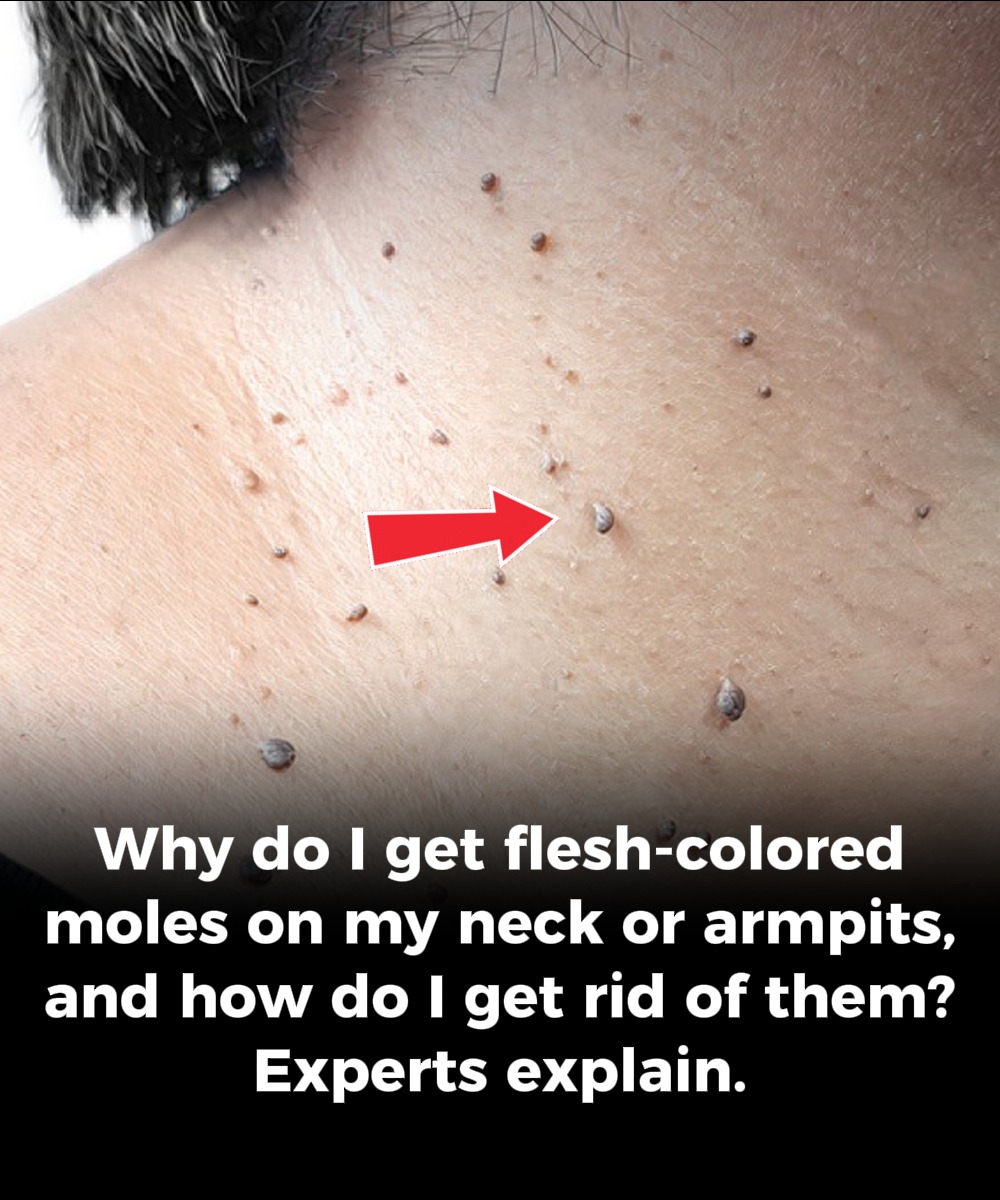
1. Cauterization: This procedure involves burning the moles with a controlled electric current. Cauterization is quick and effective, and generally leaves no visible scars. It’s an option commonly used by dermatologists to remove small moles.
2. Cryotherapy: Cryotherapy involves freezing the moles with liquid nitrogen. This method freezes and destroys the mole’s tissue, causing it to eventually fall off. Cryotherapy is a quick and generally painless procedure, although it may cause mild temporary skin discoloration in the treated area.
3. Surgical Excision: For larger moles or if there is doubt about the diagnosis, a dermatologist may choose to excise the mole with a scalpel. This procedure is performed under local anesthesia and is effective at removing the mole at its root, preventing its recurrence.
4. Laser: Laser treatment uses a beam of light to remove the mole. The laser is precise and minimizes damage to the surrounding skin, making it a preferred option for sensitive areas such as the eyelids or neck.
5. Bands or Ties: In some cases, dermatologists may use a technique called ligation, where a surgical cord is tied around the base of the mole to cut off its blood supply. This causes the mole to dry out and fall off on its own after a few days.
Read more on the next page >>
For more detailed instructions, please click the button below (>) and follow us on Facebook.