
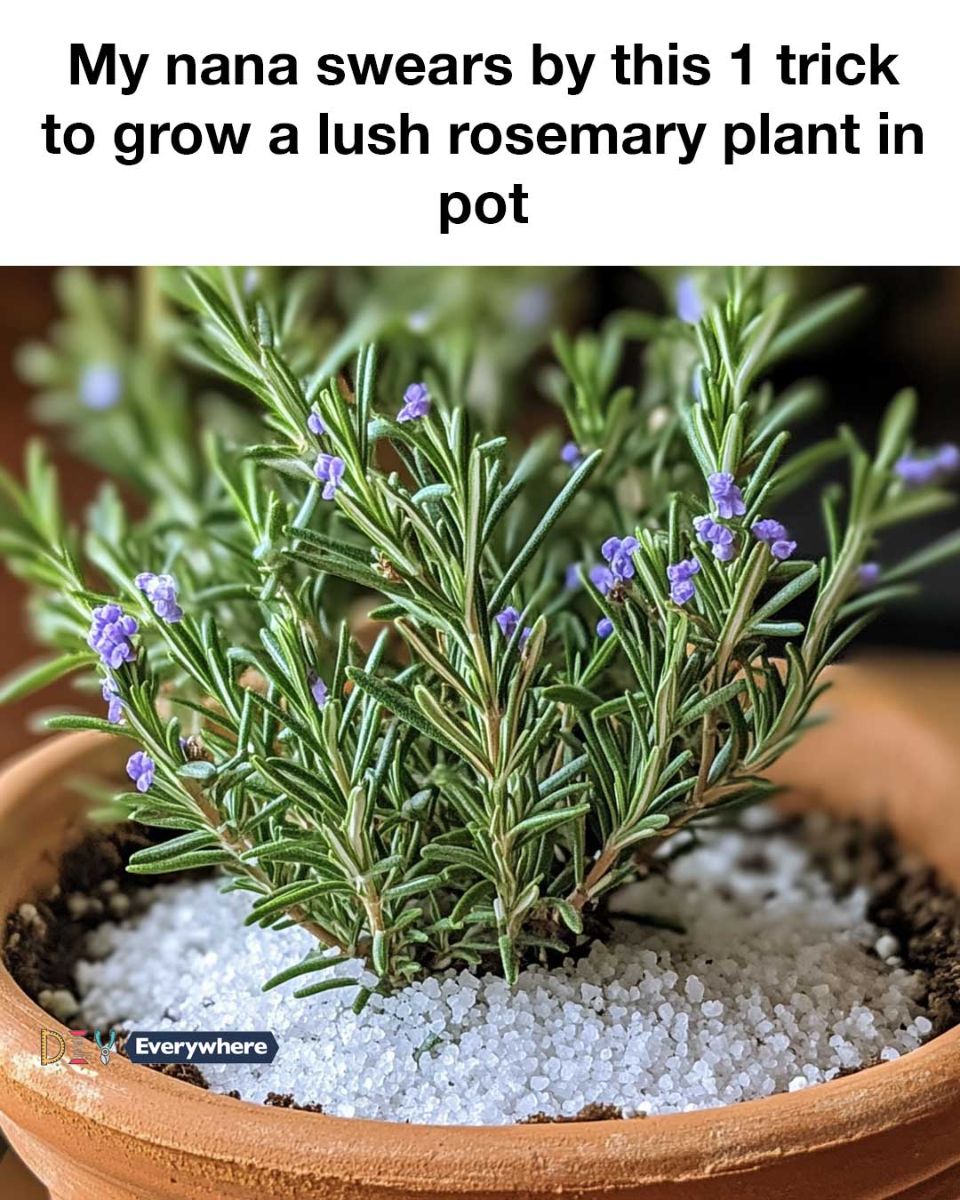
6. Watering Techniques for Rosemary
Watering rosemary requires a balanced approach. While the plant is drought-tolerant, it still needs regular watering, especially during hot, dry spells. Water the plant thoroughly, allowing the excess to drain out of the pot.
Allow the top inch of soil to dry out between waterings. This prevents overwatering, which can lead to root rot. During the winter months, reduce watering frequency as the plant’s growth slows down.
7. Sunlight Requirements
Rosemary thrives in full sunlight, requiring at least six to eight hours of direct sunlight each day. Place your potted rosemary in a sunny spot, such as a south-facing window or a sunny patio.
If growing indoors, consider supplementing with a grow light to ensure the plant receives enough light. Insufficient sunlight can lead to leggy growth and reduced essential oil production.
8. Pruning for a Bushier Plant
Regular pruning encourages rosemary to grow bushier and more compact. Prune the plant in early spring or late summer, removing any dead or woody stems.
Trim back the tips of the branches to promote lateral growth. This not only helps maintain the plant’s shape but also increases air circulation, reducing the risk of fungal diseases.
9. Protecting Against Pests
While rosemary is relatively pest-resistant, it can still fall victim to aphids, spider mites, and whiteflies. Regularly inspect your plant for signs of infestation, such as discolored leaves or webbing.
If pests are detected, treat the plant with insecticidal soap or neem oil. Ensure to cover both the tops and undersides of the leaves for effective treatment. Maintaining good air circulation and avoiding overwatering can also help prevent pest issues.
10. Seasonal Care Tips
During the growing season, rosemary benefits from regular feeding with a balanced liquid fertilizer every four to six weeks. In colder climates, bring the plant indoors before the first frost, as rosemary is sensitive to freezing temperatures.
When indoors, place the plant in a bright, sunny location and reduce watering to prevent overwatering. In spring, gradually acclimate the plant to outdoor conditions before moving it back outside.
11. Harvesting and Using Rosemary
Harvest rosemary by snipping off the top few inches of the stems, ensuring you leave enough foliage for the plant to continue growing. Regular harvesting encourages new growth and keeps the plant healthy.
Use fresh rosemary in a variety of dishes, from roasted meats to savory breads. You can also dry the leaves for later use by hanging the stems upside down in a cool, dry place. Store dried rosemary in an airtight container to preserve its flavor.
