
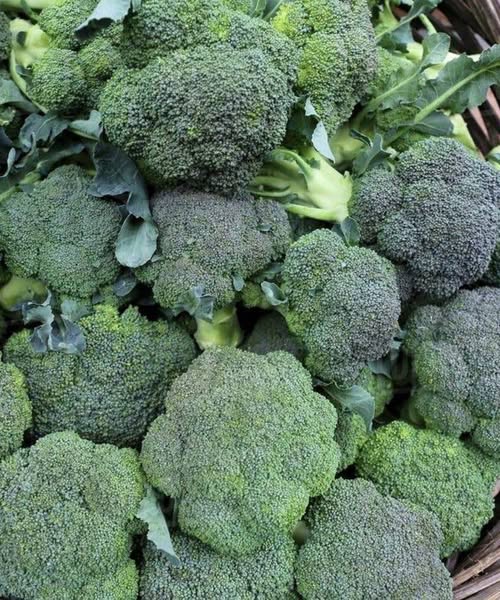
Eradication of Harmful H. Pylori Bacteria
What are broccoli’s other health benefits? The sulforaphane in broccoli and broccoli sprouts may help eradicate the bacterium Helicobacter pylori (H. pylori), which is responsible for many stomach ulcers and stomach cancer risk. In a study published in the journal Antimicrobial Agents and Chemotherapy in 2003, researchers found that sulforaphane eliminated H. pylori in eight of 11 infected mice. In another study published in the journal Cancer Prevention Research in 2009, researchers observed 48 H. pylori-infected patients for a two-month period. They were assigned randomly to eat 70 g daily of the sulforaphane-heavy broccoli sprouts or a placebo (alfalfa sprouts, which do not contain sulforaphane). The broccoli sprouts decreased biomarkers of H. pylori colonization, including H. pylori stool antigen and levels of urease. The broccoli sprouts also reduced biomarkers of stomach damage, including serum pepsinogens I and II.
Eye Health
Broccoli is also thought to benefit people with vision problems, such as cataracts. Broccoli contains two powerful antioxidants, lutein and zeaxanthin, which are from the carotenoid family. The sulforaphane in broccoli also may contain antioxidant properties, which helps protect the eye from potentially damaging free radicals.
Other Health Benefits
Broccoli is also important for bone health, osteoporosis prevention, and weight control. The alkalinizing vegetable also helps reduce acidity within your body.
What Are the Best Ways to Eat Broccoli?
You can eat it raw, but if you plan to cook broccoli, it is best to steam it lightly. Broccoli doesn’t taste good when overcooked. (Keep reading to find out some other tasty ways to enjoy this cruciferous vegetable.)
Health Benefits of Cauliflower
Now let’s take a look at cauliflower. Although broccoli is loaded with more nutrients, there are still plenty of reasons to pile cauliflower on your plate. Here are some of its health benefits.
Contains Anti-Cancer Compounds
Similar to broccoli, cauliflower is packed with glucosinolates and thiocyanates, such as sulforaphane, which can help liver enzymes eliminate carcinogens.
In a review published in the journal Advances in Experimental Medicine and Biology in 1999, researchers observed six cohort studies and 74 case-control studies regarding the anti-cancer effects of Brassica vegetables, including Brussels sprouts, broccoli, kale, and cauliflower. In 64% of the case-control studies, there was an association between Brassica vegetable consumption and a lower cancer risk.
Read more on the next page >>
