
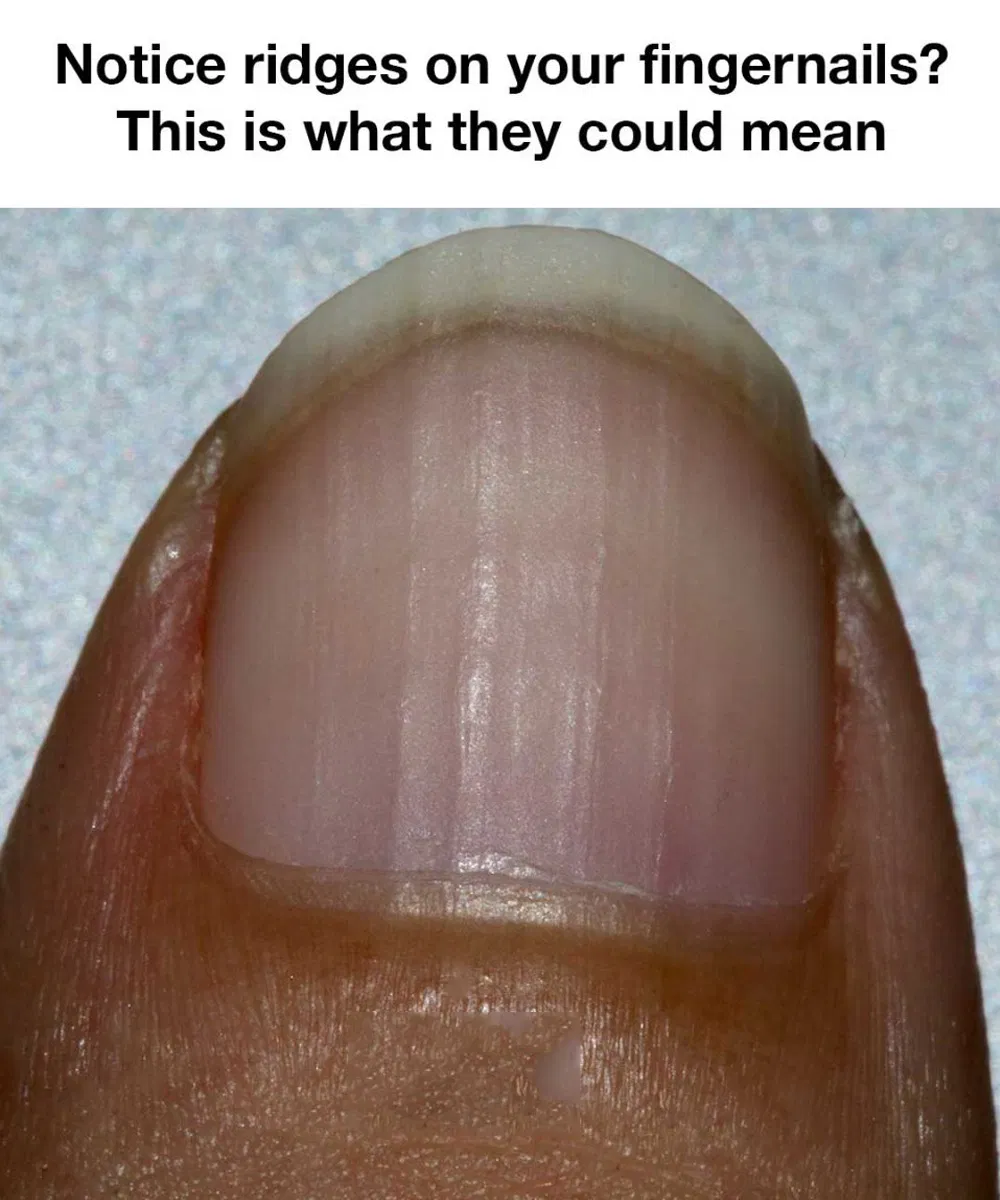
Fingernails can say a lot about your overall health. While many people focus on the appearance of their nails due to cosmetic reasons, changes in nail texture and appearance can sometimes reveal underlying health issues. One common change that people notice is the development of ridges on their fingernails. These ridges can run either vertically or horizontally and can vary in prominence.
Understanding what these ridges mean is important to maintain both nail health and overall well-being. Some ridges are harmless and simply a part of the aging process, but others can be indicative of nutritional deficiencies or more serious health conditions. In this article, we will explore the various causes of nail ridges, what they might signify, and when you should consider seeking medical advice.
1. Understanding the Structure of Fingernails
Fingernails are made of keratin, a protein also found in our hair and skin. The visible, hard part of the nail—called the nail plate—is composed of layers of dead keratinized cells. Just beneath it lies the nail bed, which is full of blood vessels and supplies essential nutrients to the nail.
Nail growth starts in the nail matrix, located under the cuticle. On average, fingernails grow about 3 millimeters per month, though this rate can vary depending on factors like age, nutrition, and overall health. Nails serve to protect the sensitive ends of our fingers and help us grip and handle objects more effectively.
Read more on the next page >>
